jangyec

Sustainable Recycling of Lithium ion Batteries

Clean  regeneration technology and equipment for waste lead-acid batteries
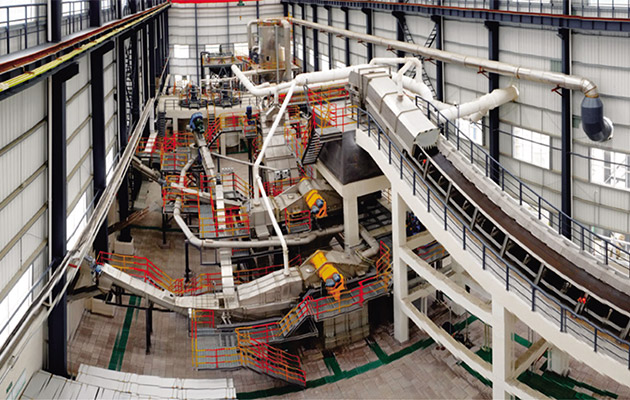
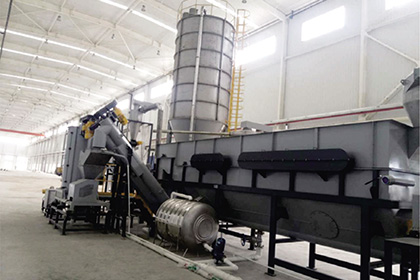
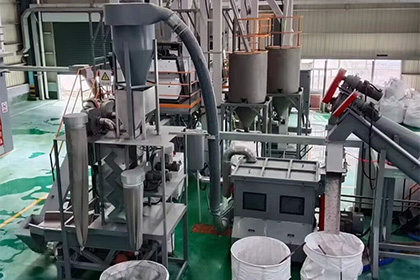
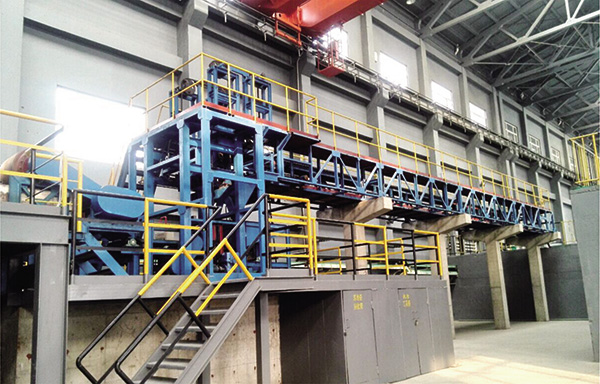
Complete set of equipment for crushing and sorting waste lead-acid batteries
The device is personalized designed according to customer requirements, equipped with automated control programs, and has a central control room. A single person can control the upper computer to ensure safety and operate the entire equipment normally. The entire production operation only requires 3-5 employees. After being crushed and sorted by the equipment, the lead bars, lead cakes, heavy plastics, and light plastics will be stored in different zones.
Electrical control system
1.Integrated Control Technology、Sensing Technology、Frequency Conversion Technology、Communication Technology、An intelligent and information-based composite system composed of supporting computer management.
a.Intelligent power control system
b.Information Dispatch Center


2.IPC、Upper computer, lower computer、PLC and other Main electrical components all adopt  internationally renowned brands. The human-computer interaction interface is vivid and smooth, and the operation is convenient.


3.Equipped with manual and automatic switching function.


4.The company has established a remote service system based on the Internet of Things to provide strong and timely support for users' after-sales service.

Technical Parameter
· Plastic recycling rate ≥98%

· Moisture content of lead paste <13%

· Total lead recovery rate ≥98%

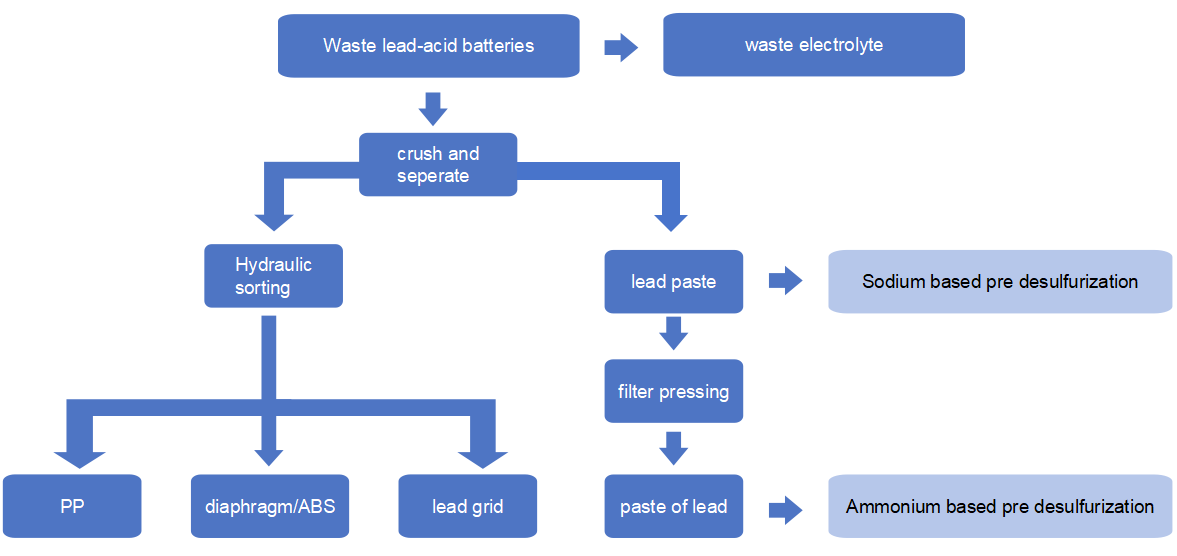
Process of crushing and sorting waste lead-acid batteries
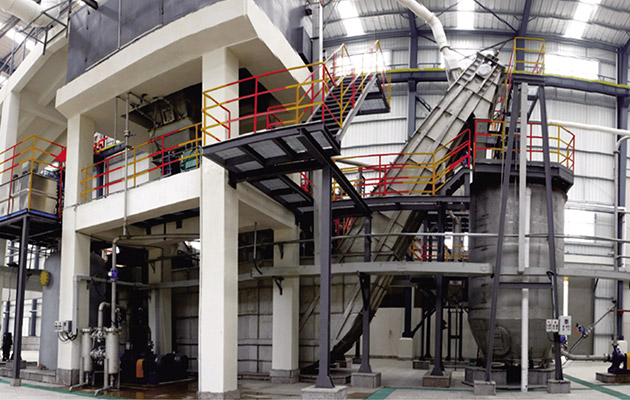
Complete set of equipment for pre desulfurization of lead paste and comprehensive utilization of by-products

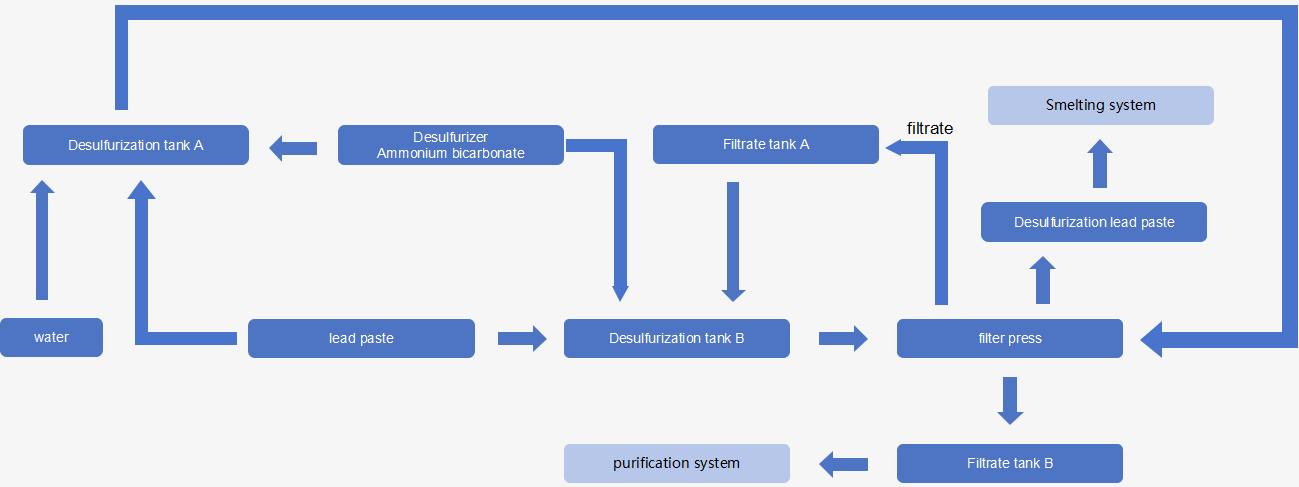
This device is used for desulfurization treatment of lead paste separated from lead-acid batteries. The process includes:

The lead paste enters the pre desulfurization reaction tank A, and desulfurizer (ammonium bicarbonate) is added. At the same time, the mixed lead paste slurry in the tank is subjected to forced desulfurization before returning to the pre desulfurization tank. After the reaction is completed, a filter press is used for solid-liquid separation, and the filter cake (desulfurization lead paste) enters the smelting system; The filtrate (desulfurization filtrate A) enters filtrate tank A. The filtrate A is used as the reaction medium and enters the pre desulfurization reaction tank B. Lead paste and ammonium bicarbonate are added for desulfurization reaction, and the mixed lead paste slurry in the tank is subjected to forced desulfurization before returning to the pre desulfurization tank. After the reaction is completed, a filter press is used for solid-liquid separation, and the filter cake (desulfurization lead paste) enters the smelting system; Filtrate B (desulfurization filtrate B) enters filtrate tank B. The filtrate B (ammonium sulfate) enters the ammonium sulfate purification system.
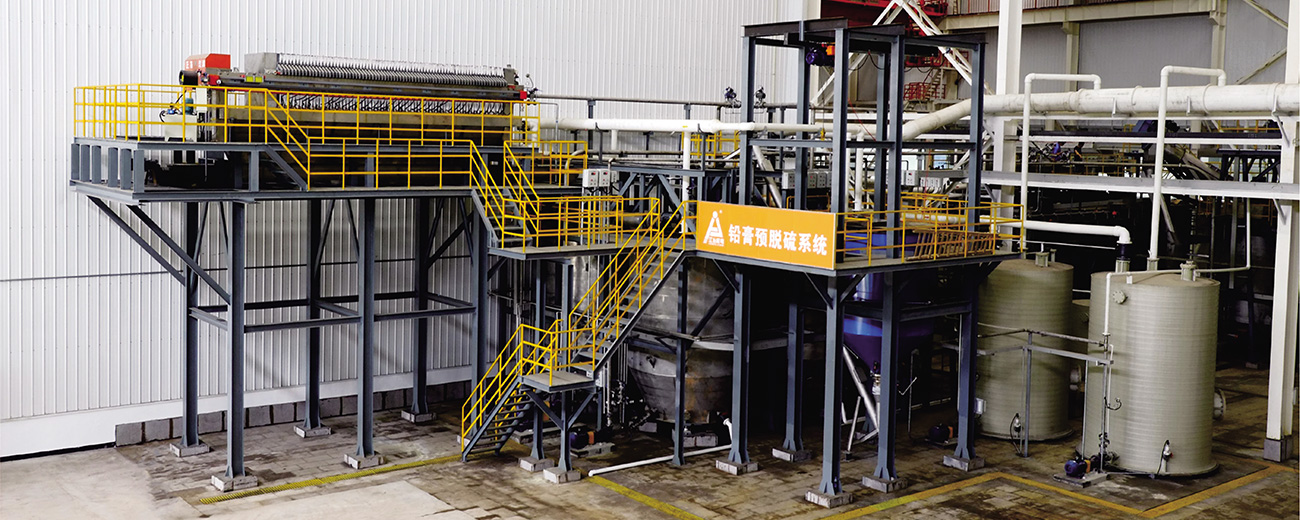

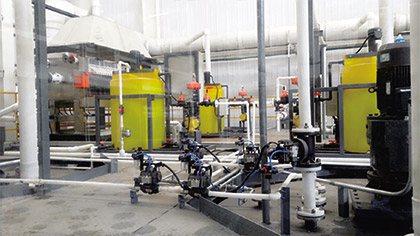
A. Lead paste ammonium method pre desulfurization equipment
· Sulfur content of lead paste after desulfurization < 1%

· Moisture content of lead paste after pressure filtration<13%

Technical Index
· Control system: adopting PLC centralized control

Ammonia desulfurization
· Moisture content of lead paste after pressure filtration<13%

· Control system: adopting PLC centralized control

Technical Index
B. Lead paste sodium method pre desulfurization equipment

This device is designed for desulfurization treatment of lead sludge obtained from the crushing and separation of lead-acid batteries. The process includes:

Lead mud enters the pre desulfurization tank, reacts with desulfurizer (sodium carbonate), and is thoroughly stirred. At the same time, the mixed lead paste slurry in the tank is subjected to forced desulfurization before returning to the pre desulfurization tank. After the reaction is completed, a filter press is used for solid-liquid separation, and the filter cake (desulfurization lead paste) enters the smelting system; The filtrate (sodium carbonate) enters the filtrate tank.
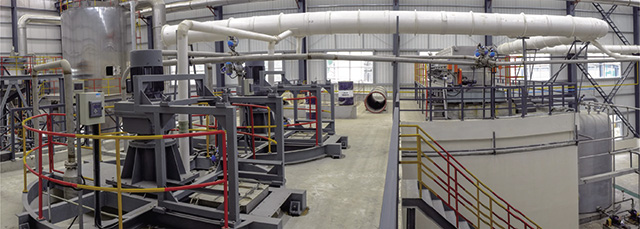
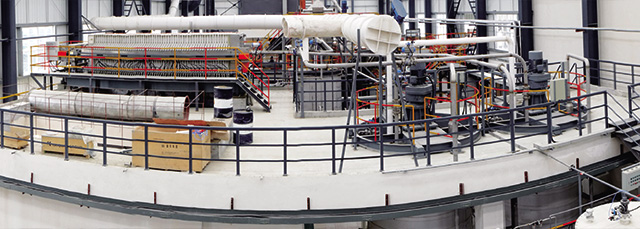
· Sulfur content of lead paste after desulfurization < 1%

Sodium desulfurization method
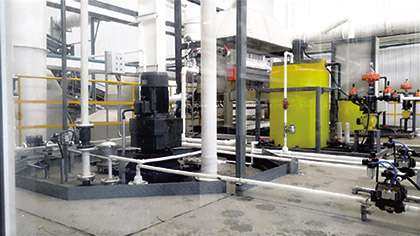
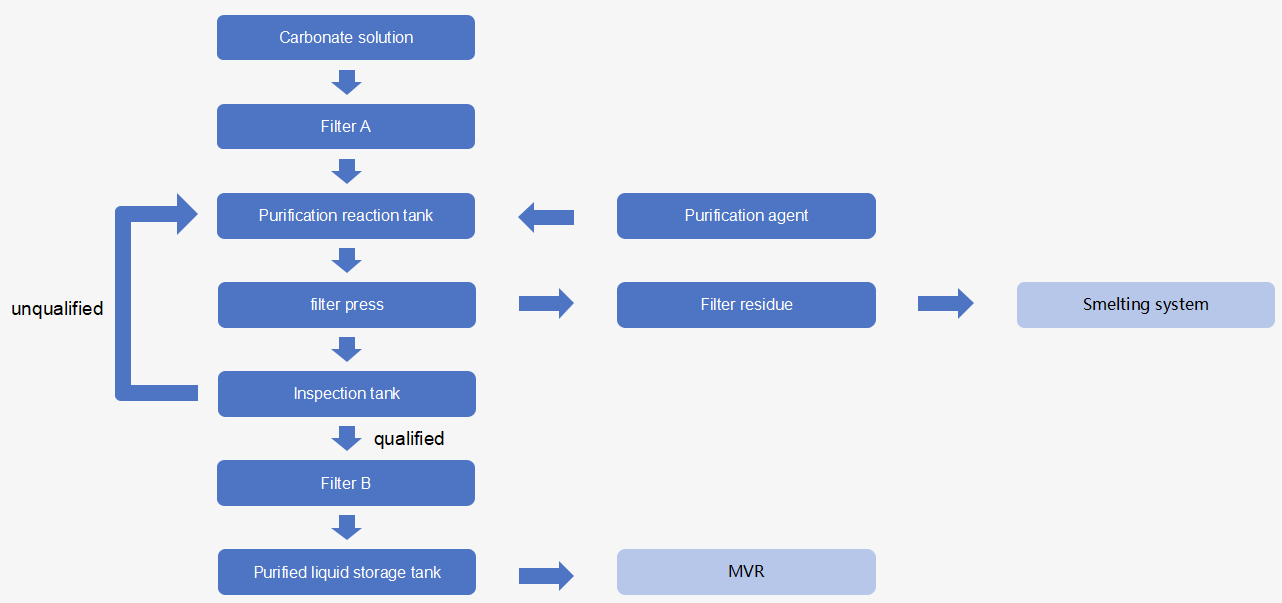
1.The pre desulfurized filtrate is sent to the purified raw material storage tank.
2.The PH value of the filtrate is adjusted in the reaction tank, and purification reagent is added.
3.After passing the inspection, store in the liquid storage tank.

A.Ammonium sulfate solution:25-35%, The heavy metal content in the treated solution is less than 10PPM.

B.Sodium sulfate solution: 16-28%, with a heavy metal content of less than 10 ppm in the treated solution

Technical Index
C.Sulfate solution purification treatment equipment
Main process flow
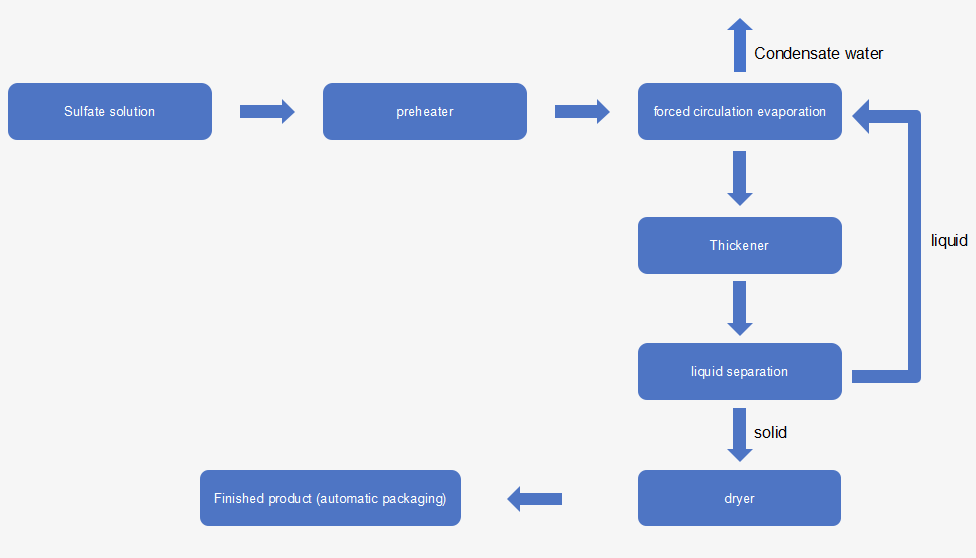
Evolutionary treatment of heavy metal ions and other impurities in the sulfate solution generated by pre desulfurization.  

Purification treatment process
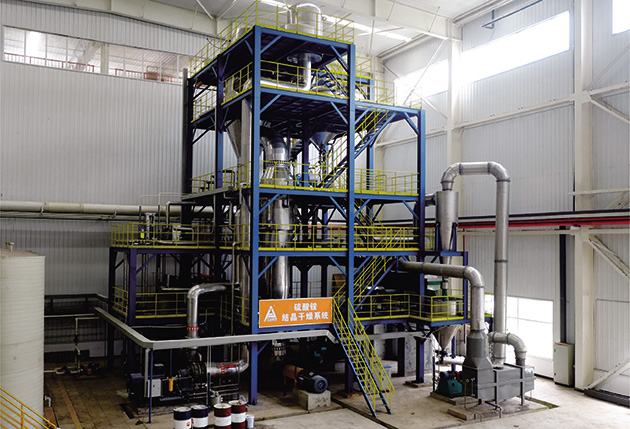
The purified sulfate solution is processed by MVR to generate sulfate products.
The condensed water generated by M VR is returned to the desulfurization process for recycling or (and) discharged after being treated and qualified.

After complete dehydration through drying equipment, high-purity sulfate products are obtained and sold.
Drying process
D. Sulfate crystallization drying equipment
Evaporating crystallization
MVR process
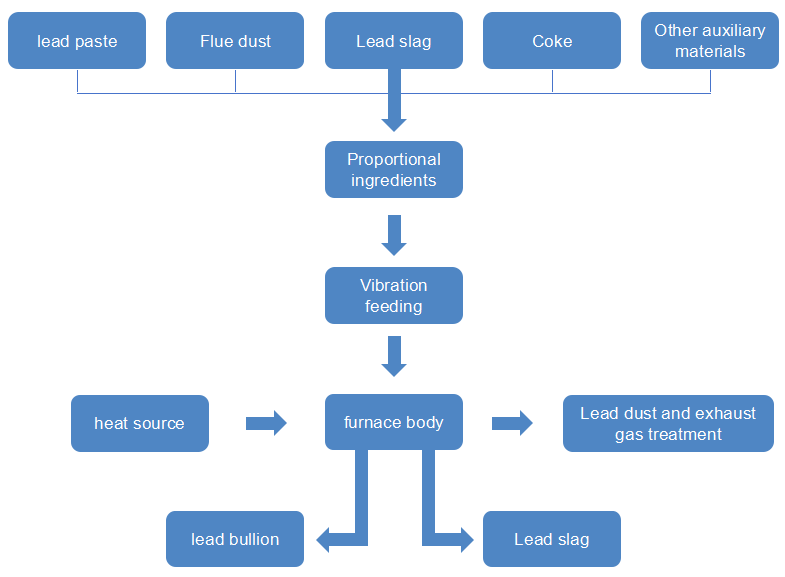
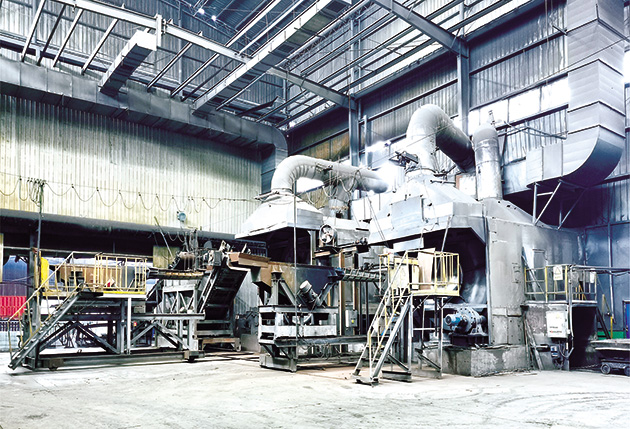
After the mixture enters the high-temperature melting furnace, the reduced lead enters the ingot hopper, and the lead slag is discharged into the lead slag hopper. The flue gas generated during the smelting process is treated and discharged in compliance with standards. The equipment includes precise proportioning, automatic feeding, combustion system, furnace body, cooling system, and exhaust gas dust removal and desulfurization treatment.

Complete set of equipment for lead paste converter melting
Smelting system
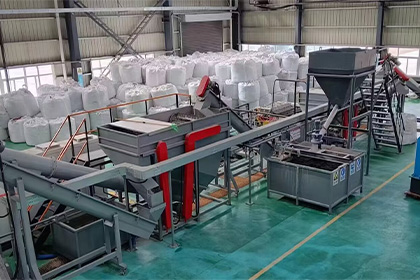
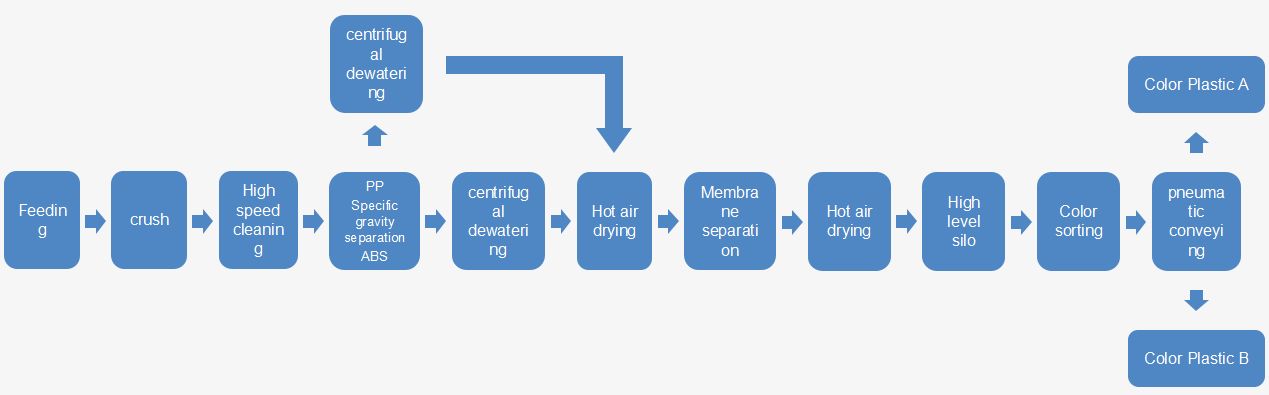
Reuse the broken and sorted plastics through sorting, color sorting, dehydration, granulation, and reuse. The entire equipment includes a plastic crusher, cleaning machine, dehydration dryer, color sorter, and granulator.

Plastic cleaning and color separation equipment
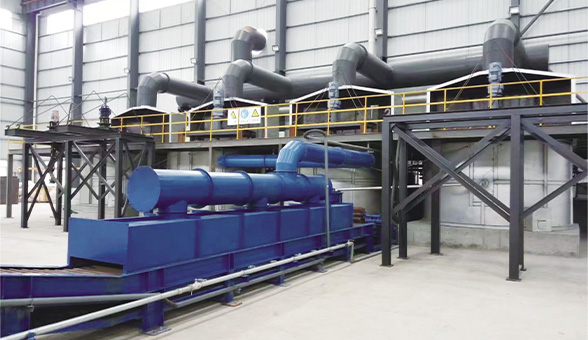
Lead ingot casting machine
Crude lead is refined to obtain refined lead (alloy lead), and the lead liquid is poured into a mold to form lead ingots and automatically stacked,which could divided into standard and intelligent types. Equipment features: The equipment layout is personalized according to the actual needs of users, with high production efficiency, simple maintenance, low failure rate, and less oxidation residue.

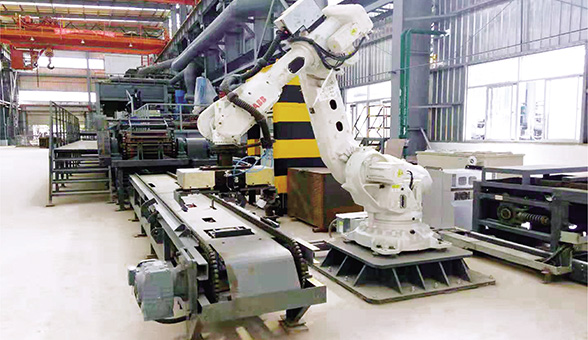
B.Intelligent type
Servo automatic pouring device, linear ingot casting machine, ingot feeding and arranging machine, palletizing robot, ingot stacking conveyor, packaging machine, weighing device, labeling and labeling. Program control, high degree of automation, saving labor.

A.Standard type
The star shaped roller pouring device, linear ingot casting machine, ingot feeding and discharging machine, palletizing manipulator, ingot stacking conveyor, packaging, weighing, marking, and labeling processes are completed manually.

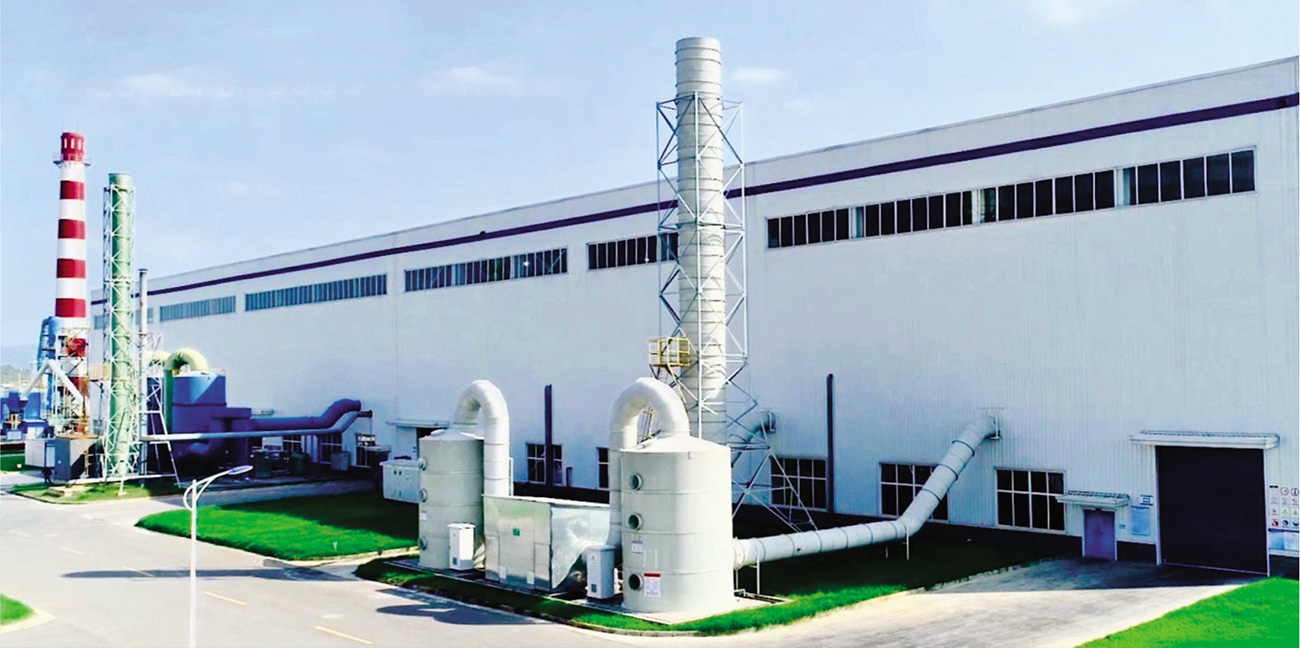
Exhaust gas treatment system
Handle the tail gas, lead dust, ash, etc. generated during the lead smelting process to avoid environmental pollution.

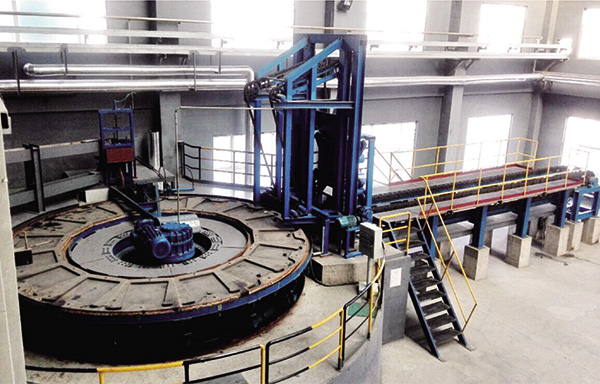
This equipment mainly converts lead water into lead sheets which can be classified into several types according to the process through a cylindrical film making machine, and then goes through a lifting device, a flat sheet device, enters a sheet arranging device, and then enters other processes.
Production capacity: 400 pieces/hour~480 pieces/hour
Equipment dimensions: length X width X height=12000mm X 3500mm X5400mm Equipment power: 27kw

Lead cathode sheet manufacturing unit
Lead anode disk ingot casting unit
Including three models: 16 model, 18 model, and 20 model.
This device mainly uses lead water to pass through the lead anode ingot linkage line, pass through the mold, and cool down to become standard lead anode plates. Then, it is transported to the plate conveyor through automatic fishing and flat plate devices.
Production capacity: 200 pieces/hour~280 pieces/hour
Equipment dimensions: disc diameter approximately 6070mm~7800mm
Equipment power: 30-32kw